Self-Healing Paint Experiment: Automatically Repairing Cracks in Oil Paintings

Apr 12, 2025 By Benjamin Evans

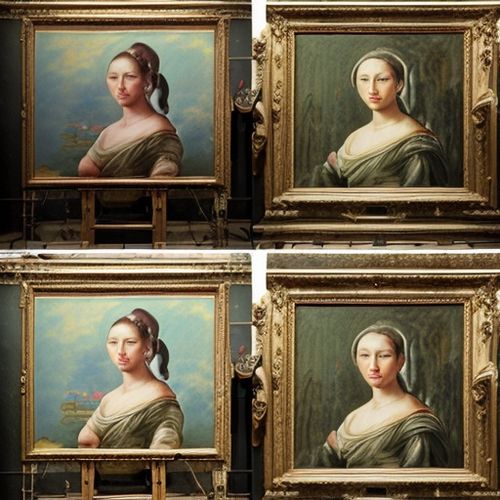
The art conservation world is abuzz with a groundbreaking development that could revolutionize how we preserve cultural heritage. Researchers have successfully tested a self-healing coating capable of automatically repairing cracks in oil paintings, offering a potential solution to one of the most persistent challenges in art preservation. This innovative technology promises to extend the lifespan of priceless artworks while reducing the need for invasive restoration procedures.


At the heart of this breakthrough lies a specially formulated polymer coating containing microcapsules filled with healing agents. When cracks begin to form in the painted surface, these microscopic capsules rupture, releasing their contents into the damaged areas. The healing agents then react with each other and with the surrounding material to form new bonds, effectively sealing the cracks before they can propagate further. What makes this system particularly remarkable is its ability to respond autonomously to damage without any external intervention.


The development team spent years perfecting the chemical composition to ensure compatibility with traditional oil paints. Early challenges included creating a coating that wouldn't alter the painting's appearance or texture while still providing effective self-repair capabilities. After numerous iterations, the researchers achieved a virtually invisible protective layer that maintains the artwork's original visual qualities. Advanced testing has shown that the coating can successfully repair cracks measuring up to 50 micrometers in width - the typical range of damage seen in aging oil paintings.


Conservators have expressed cautious optimism about the technology's potential. While traditional restoration methods often require painstaking manual work that can sometimes alter an artwork's original character, this self-healing approach offers a more passive, preventive solution. The coating is designed to work continuously over decades, addressing minor damage before it becomes severe enough to require professional intervention. This could be particularly valuable for museums housing large collections where regular maintenance of every piece is impractical.


Environmental factors pose one of the greatest threats to oil paintings, with fluctuations in temperature and humidity causing repeated expansion and contraction of materials. These changes gradually weaken the paint layers and underlying ground, leading to characteristic crack patterns known as craquelure. The new coating not only repairs existing damage but also provides enhanced protection against environmental stressors. Laboratory tests simulating decades of aging show treated paintings developing significantly fewer cracks compared to untreated counterparts.


The technology's implications extend beyond fine art preservation. Historical documents, antique furniture finishes, and even modern architectural surfaces could potentially benefit from similar protective systems. Researchers are already exploring variations of the coating adapted for different materials and applications. One particularly promising avenue involves incorporating UV-absorbing compounds to protect against light damage, another major contributor to artwork degradation.


Despite these exciting possibilities, the research team emphasizes that their self-healing coating isn't meant to replace traditional conservation methods entirely. Complex damage or pre-existing severe cracks will still require expert restoration. Rather, the technology serves as a complementary tool that could dramatically reduce the frequency of major interventions needed over an artwork's lifetime. The coating is also designed to be removable by conservators if necessary, addressing concerns about introducing permanent alterations to historical pieces.


Implementation challenges remain before the technology sees widespread adoption in museums. Long-term stability studies are ongoing to ensure the coating materials won't degrade in ways that could harm paintings over extended periods. There are also philosophical considerations within the conservation community about how much technological intervention is appropriate when preserving cultural artifacts. These discussions will likely continue as the technology progresses toward commercialization.


Field trials are currently underway at several European museums with selected paintings in their collections. Preliminary results after two years show promising crack-reduction rates without any observable changes to the artworks' appearance. The research team plans to expand these trials globally while continuing to refine the coating's formulation. They estimate that with successful testing and regulatory approvals, the technology could become available to conservation professionals within the next five to seven years.


This innovation represents a fascinating convergence of materials science and cultural preservation. By drawing inspiration from biological systems that naturally repair damage, scientists have created an artificial counterpart that may forever change how we protect our artistic heritage. As the technology develops, it could help ensure that future generations experience these cultural treasures much as their creators intended - with all the beauty and detail of their original form preserved against the relentless passage of time.

Recommend Posts
Arts

Photochromic Glass Curtain Walls: Automatic Painting on Architectural Facades

By Sophia Lewis/Apr 12, 2025

The urban skyline is undergoing a quiet revolution as architects and engineers harness the power of photochromic glass to create buildings that literally paint themselves with light. These dynamic facades, once confined to the realm of conceptual art, are now emerging as functional architectural elements that respond to their environment in real time. The marriage of advanced materials science with architectural vision has birthed structures that don't just stand against the elements but converse with them.
Arts

Carbon Fiber Replaces Bronze: Contemporary Sculptures Lose 60% Weight

By Victoria Gonzalez/Apr 12, 2025

The art world is witnessing a quiet revolution as sculptors increasingly turn to advanced materials to solve age-old technical challenges. Among these innovations, the substitution of traditional bronze with carbon fiber composites stands out as a particularly transformative development. This shift isn't merely about adopting new materials—it represents a fundamental rethinking of sculpture's physical possibilities and logistical constraints.
Arts

Deciphering Medieval Gold Leaf Craftsmanship: Mercury Levels Exceed Safety Standards

By Olivia Reed/Apr 12, 2025

For centuries, the shimmering allure of gold leaf has adorned everything from religious icons to royal manuscripts. Recent scientific investigations into medieval gilding techniques, however, have uncovered a disturbing legacy lurking beneath these radiant surfaces. Laboratories analyzing surviving artifacts have detected mercury concentrations up to 300 times modern occupational exposure limits, raising urgent questions about both historical workshop practices and contemporary conservation risks.
Arts

Biodegradable Bioplastic Sculpture Material: Degrades Naturally in 3 Months

By Sophia Lewis/Apr 12, 2025

The art world is undergoing a quiet revolution, one that merges creativity with environmental responsibility. At the forefront of this movement are bioplastic sculptural materials – innovative mediums that promise the aesthetic flexibility of traditional plastics while embracing full biodegradability within three months. These materials aren’t just challenging artistic conventions; they’re redefining what it means to create sustainably in an era of ecological crisis.
Arts

The Replication of Egyptian Blue Pigment: Revealing the Modern Manufacturing Process

By Megan Clark/Apr 12, 2025

The rediscovery and modern replication of Egyptian blue pigment stands as one of the most fascinating intersections between archaeology, chemistry, and art history. Known scientifically as calcium copper silicate (CaCuSi4O10), this vibrant pigment adorned the walls of ancient temples, statues, and even the tombs of pharaohs. For centuries, the exact method of its production remained a mystery, lost to time like so many other secrets of antiquity. Today, through painstaking research and experimentation, scientists and artisans have successfully recreated this legendary hue using both traditional techniques and modern technology.
Arts

Graphene Pigments Unveiled: Color Saturation Increased by 200%

By Emily Johnson/Apr 12, 2025

The world of color technology has taken a revolutionary leap forward with the introduction of graphene-based pigments. Scientists and material engineers have unveiled a new generation of colorants that promise to redefine vibrancy in industrial and artistic applications. Unlike traditional pigments, these graphene-infused formulations deliver an unprecedented 200% increase in color saturation, marking what experts are calling the most significant advancement in chromatic intensity since the invention of synthetic dyes.
Arts

Self-Healing Paint Experiment: Automatically Repairing Cracks in Oil Paintings

By Benjamin Evans/Apr 12, 2025

The art conservation world is abuzz with a groundbreaking development that could revolutionize how we preserve cultural heritage. Researchers have successfully tested a self-healing coating capable of automatically repairing cracks in oil paintings, offering a potential solution to one of the most persistent challenges in art preservation. This innovative technology promises to extend the lifespan of priceless artworks while reducing the need for invasive restoration procedures.
Arts

The Absence of an NFT Art Value Assessment System: Urgent Need for Industry Standards

By Rebecca Stewart/Apr 12, 2025

The NFT art market has exploded in recent years, with digital artworks selling for millions of dollars and capturing global attention. Yet, beneath the surface of this booming industry lies a critical issue: the absence of a standardized framework for assessing the artistic value of NFTs. Unlike traditional art, where established criteria such as provenance, technique, and historical significance guide valuation, the NFT space remains a wild frontier with little consensus on what truly constitutes artistic merit.
Arts

Legalizing Street Art: A Comparison of Policies in Berlin and London

By Grace Cox/Apr 12, 2025

The debate over street art's place in urban environments has intensified in recent years, with cities worldwide grappling with how to regulate this often-controversial form of expression. Berlin and London, two European cultural capitals with rich histories of street art, have taken markedly different approaches to its legalization. While Berlin has embraced street art as an integral part of its cultural identity, London's policies remain more restrictive, reflecting an ongoing tension between artistic freedom and urban governance.
Arts

Eco-Art in the Climate Crisis: Aesthetics or Didacticism?

By Grace Cox/Apr 12, 2025

The intersection of ecological crisis and contemporary art has birthed a provocative new genre: eco-art. As wildfires rage, glaciers melt, and species vanish at unprecedented rates, artists are responding with works that oscillate between poetic meditation and urgent protest. This emerging movement raises fundamental questions about art's role in an age of environmental collapse—should it seduce through beauty or shock with hard truths?
Arts

Debate on the Return of Colonial Art: New Assessment Criteria at the British Museum

By Sarah Davis/Apr 12, 2025

The British Museum finds itself at the epicenter of a renewed global debate as it quietly implements revised assessment criteria for handling restitution claims of colonial-era artifacts. This development comes amid growing pressure from former colonies and indigenous groups demanding the return of cultural treasures acquired under disputed circumstances during Britain’s imperial expansion.
Arts

Feminist Art History Revision: Overlooked Renaissance Women Painters

By Emma Thompson/Apr 12, 2025

The history of Renaissance art has long been dominated by the names of male masters—Leonardo, Michelangelo, Raphael—while their female contemporaries were relegated to footnotes or forgotten entirely. Yet recent scholarship in feminist art history has begun to dismantle this patriarchal narrative, uncovering the remarkable contributions of women artists who flourished despite systemic barriers. These painters not only existed but produced work that rivaled their male counterparts in skill and innovation. Their exclusion from the canon speaks less to their talent than to the gendered biases that shaped art historical discourse for centuries.
Arts

Digital Native Art: Can Virtual Aesthetics Replace the Physical?

By Michael Brown/Apr 12, 2025

The rise of digital native art has sparked a heated debate in contemporary cultural discourse: is virtual aesthetics poised to replace physical art forms? As technology continues to reshape creative expression, artists and audiences alike grapple with the implications of this digital revolution. The question isn't merely about preference but touches upon fundamental aspects of human perception, cultural value, and the very nature of artistic experience.
Arts

Abstract Expressionism's Political Metaphors Overinterpreted?"

By Lily Simpson/Apr 12, 2025

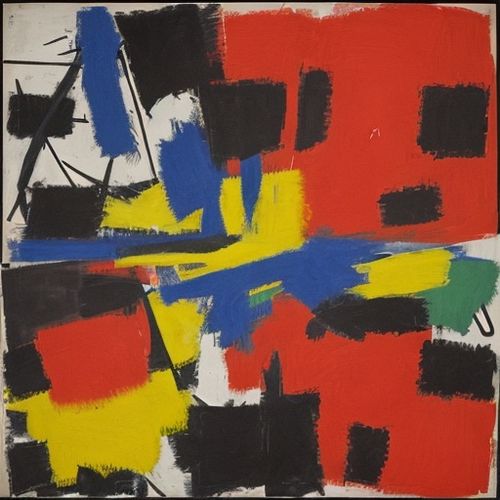
The abstract expressionist movement, which emerged in post-World War II America, has long been a subject of intense scrutiny—not just for its radical departure from traditional artistic conventions, but also for the political narratives that have been woven around it. While some argue that the movement was a covert tool of Cold War propaganda, others insist that its political significance has been exaggerated, if not entirely fabricated. The debate raises a critical question: has the political metaphor in abstract expressionism been overinterpreted?
Arts

Can AI Creation Have 'Authorship'? A Philosophical Debate

By John Smith/Apr 12, 2025

The question of whether artificial intelligence can possess 'authorship' has become one of the most contentious debates in contemporary philosophy, art, and intellectual property law. As AI systems generate increasingly sophisticated texts, music, and visual art, the line between human and machine creativity blurs, forcing us to reconsider fundamental assumptions about originality, intentionality, and artistic agency.
Arts

A Comparative Study of Minimalism and Zen Aesthetics Across Cultures

By Lily Simpson/Apr 12, 2025

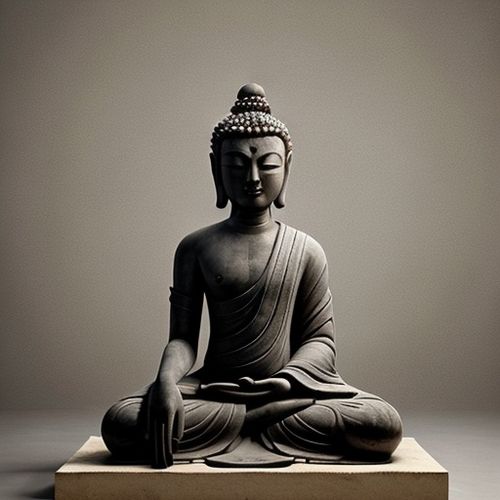
The intersection of minimalism and Zen Buddhist aesthetics offers a fascinating lens through which to examine how simplicity transcends cultural boundaries. Though originating in vastly different contexts—one rooted in 20th-century Western design principles, the other in ancient Eastern philosophy—both traditions share a profound reverence for emptiness, intentional restraint, and the elimination of superfluous elements. Yet beneath these surface similarities lie nuanced divergences in worldview, function, and artistic expression that reveal deeper cultural values.
Arts

Revisiting Postmodernism: Is Contemporary Art Mired in Nihilism?

By Rebecca Stewart/Apr 12, 2025

The question of whether contemporary art has descended into nihilism under the influence of postmodernism is one that has sparked heated debates in galleries, academic circles, and even casual conversations among art enthusiasts. As we navigate through the 21st century, the legacy of postmodern thought continues to cast long shadows over artistic production, raising fundamental questions about meaning, value, and purpose in creative expression.
Arts

Singapore's 'Supertrees' Photovoltaic Art Installation Power Generation Report

By Emily Johnson/Apr 12, 2025

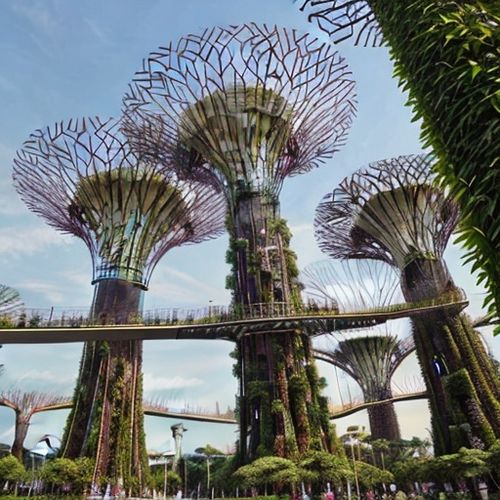
The iconic Supertree Grove at Singapore's Gardens by the Bay has long been a marvel of sustainable design and urban greening. Recently, these towering vertical gardens have taken on a new role as functional solar energy harvesters through an innovative photovoltaic art installation. The integration of solar technology into these already remarkable structures represents a bold step forward in Singapore's commitment to renewable energy and sustainable urban development.
Arts

London's Fourth Plinth New Installation: Giant AI-Generated Sculpture

By Natalie Campbell/Apr 12, 2025

The iconic Fourth Plinth in London’s Trafalgar Square has long been a platform for provocative and thought-provoking contemporary art. This year, it unveils a monumental new addition: a colossal sculpture entirely generated by artificial intelligence. The piece, titled "The Infinite Echo," marks a bold departure from traditional public art, challenging perceptions of creativity, authorship, and the role of technology in shaping our cultural landscape.
Arts

Gaudi's Architecture in Barcelona: Daily Reservation System for Tourist Limitation

By Jessica Lee/Apr 12, 2025

In an effort to preserve the cultural heritage and enhance visitor experience, Barcelona has introduced a daily reservation system for some of Antoni Gaudí’s most iconic architectural wonders. The new policy, which took effect earlier this year, aims to regulate the overwhelming influx of tourists to sites like the Sagrada Família, Park Güell, and Casa Batlló. By capping daily entries and requiring advance bookings, authorities hope to strike a balance between accessibility and conservation.