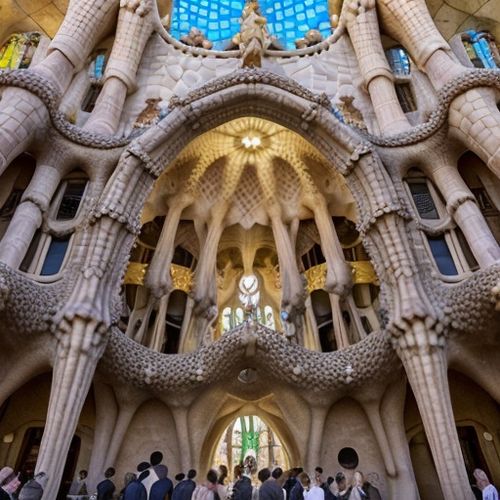
In an effort to preserve the cultural heritage and enhance visitor experience, Barcelona has introduced a daily reservation system for some of Antoni Gaudí’s most iconic architectural wonders. The new policy, which took effect earlier this year, aims to regulate the overwhelming influx of tourists to sites like the Sagrada Família, Park Güell, and Casa Batlló. By capping daily entries and requiring advance bookings, authorities hope to strike a balance between accessibility and conservation.
The decision comes after years of escalating tourist numbers, which have strained the structural integrity of these historic landmarks. Local officials and heritage experts have long voiced concerns about the wear and tear caused by millions of footsteps each year. The Sagrada Família alone, Gaudí’s unfinished magnum opus, attracts over 4.5 million visitors annually. Without intervention, the sheer volume of tourists risked irreversible damage to delicate mosaics, stained glass, and organic architectural details.
How the Reservation System Works
Under the new system, visitors must secure timed-entry slots online before arriving at any of the major Gaudí sites. The slots are released in batches, typically three months in advance, with a limited number of same-day tickets available for early risers. Each reservation is tied to a specific hour-long window, reducing overcrowding and allowing staff to monitor foot traffic more effectively. The daily cap varies by location—Park Güell, for instance, now admits no more than 1,400 visitors per hour, a significant reduction from its pre-pandemic free-for-all days.
Local residents, however, enjoy certain privileges. Catalans with proof of address can enter many of these sites free of charge during designated hours, though even they must reserve slots to avoid contributing to congestion. This measure has been praised for prioritizing community access while still addressing overtourism.
Mixed Reactions from Stakeholders
While conservationists applaud the move, some segments of the tourism industry have expressed frustration. Small tour operators, particularly those specializing in last-minute itineraries, argue that the rigid booking system stifles spontaneity and could deter casual travelers. "Many visitors don’t plan their trips months in advance," said Marta Vilaseca, a veteran guide. "We’re already seeing a drop in walk-in clients, which hurts businesses reliant on impulse decisions."
On the other hand, luxury travel agencies and curated experience platforms report a surge in demand for pre-packaged Gaudí tours that include guaranteed entry. High-end hotels have also adapted by offering reservation concierge services, turning ticket procurement into a premium amenity. The shift underscores a broader trend toward structured, quality-over-quantity tourism in Barcelona.
The Bigger Picture: Barcelona’s Battle with Overtourism
Gaudí’s sites are just the latest front in Barcelona’s ongoing campaign to manage overtourism. The city has previously rolled out restrictions on short-term rentals, banned new hotel constructions in the city center, and even fined illegal tourist apartments. These measures reflect a growing backlash against the downsides of mass tourism, from inflated living costs to cultural homogenization.
Mayor Jaume Collboni has framed the Gaudí reservation system as part of a "necessary evolution" in urban management. "We can’t keep treating our patrimony like an unlimited resource," he remarked at a press conference. "This isn’t about excluding people—it’s about ensuring future generations can appreciate these treasures in their full glory."
Early data suggests the policy is achieving its goals. Queue times at major attractions have dropped by an average of 70%, and visitor satisfaction scores have risen due to less crowded interiors. Notably, incidents of vandalism—such as graffiti or theft of mosaic pieces—have plummeted since the system’s implementation.
What Visitors Need to Know
For travelers planning a Gaudí pilgrimage, the key advice is simple: book early. Peak season slots (April–October) often sell out within days of release, especially for sunrise or sunset time blocks at Park Güell. Official websites are the most reliable booking channels, though authorized resellers like Tiqets and GetYourGuide also offer legitimate tickets—often at a slight markup for bundled audio guides.
Latecomers aren’t entirely out of luck. A handful of last-minute tickets are released 48 hours prior, catering to cancellations. Alternatively, lesser-known Gaudí works like Casa Vicens or the Crypt at Colònia Güell offer equally stunning architecture with far fewer crowds and more flexible entry policies.
As Barcelona refines its approach, other cities grappling with overtourism—from Venice to Kyoto—are watching closely. The success of Gaudí’s reservation system may well inspire similar measures worldwide, reshaping how we experience fragile cultural landmarks in the age of global travel.

By Sophia Lewis/Apr 12, 2025

By Victoria Gonzalez/Apr 12, 2025

By Olivia Reed/Apr 12, 2025
By Sophia Lewis/Apr 12, 2025
By Megan Clark/Apr 12, 2025

By Emily Johnson/Apr 12, 2025

By Benjamin Evans/Apr 12, 2025

By Rebecca Stewart/Apr 12, 2025
By Grace Cox/Apr 12, 2025

By Grace Cox/Apr 12, 2025
By Sarah Davis/Apr 12, 2025

By Emma Thompson/Apr 12, 2025

By Michael Brown/Apr 12, 2025
By Lily Simpson/Apr 12, 2025

By John Smith/Apr 12, 2025

By Lily Simpson/Apr 12, 2025
By Rebecca Stewart/Apr 12, 2025

By Emily Johnson/Apr 12, 2025
By Natalie Campbell/Apr 12, 2025
By Jessica Lee/Apr 12, 2025