The allure of Swiss bank safety deposit boxes has captivated the global elite for over a century. Nestled deep within the vaults of Geneva, Zurich, and Lugano, these unassuming metal containers represent far more than secure storage—they embody discretion, stability, and a unique financial tradition that survives in our digital age. While cryptocurrency wallets and cloud storage dominate conversations about asset protection, the physicality of a Swiss safe deposit box continues to hold irreplaceable value for certain clients.
Switzerland's reputation for banking secrecy didn't emerge by accident. The country's neutrality during both World Wars, combined with its 1934 Banking Act that criminalized unauthorized disclosure of account information, created an ecosystem where privacy became institutionalized. Safe deposit boxes exist in this cultural context—no paperwork links the contents to an owner, and Swiss law prohibits banks from inventorying what clients store. This differs markedly from practices in the United States or UK, where courts can more easily compel box openings.
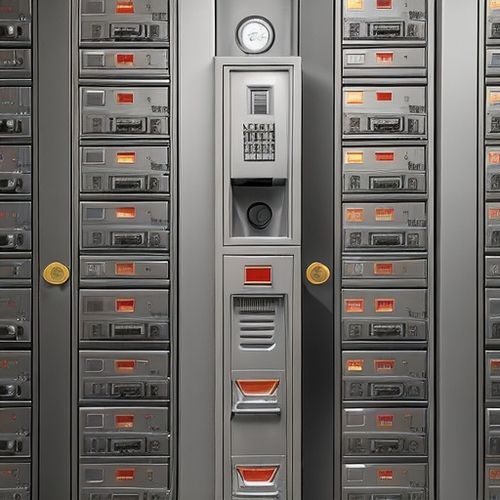
The process of renting a box reveals much about Swiss precision. Prospective clients undergo rigorous due diligence—far beyond standard account openings. Private banks like Pictet or Lombard Odier typically require seven-figure deposits before discussing vault access. Physical security measures border on theatrical: time-lock mechanisms, seismic sensors, and even oxygen-deprivation systems designed to suffocate potential burglars. Yet the true sophistication lies in procedural safeguards. Vaults utilize dual-key systems where the bank holds one key and the client the other, with both required for access. Some institutions mandate two employees simultaneously verify identities—a practice unchanged since the 1920s.
What actually fills these boxes defies stereotypes. While gold bars and bearer bonds remain common, modern clients increasingly store items banking apps can't protect. Original wills, genetic material in cryogenic vials, vintage wine cellar deeds, and even soil samples from disputed territories appear alongside more predictable valuables. The rise of "digital inheritance" has created demand for engraved titanium plates containing cryptocurrency keys—a hedge against both hackers and forgetful heirs. Art collectors utilize climate-controlled compartments for miniature masterpieces too fragile for museum loans.
Swiss privacy protections face mounting international pressure. Automatic information exchange agreements and anti-money laundering directives have eroded some confidentiality walls. Since 2018, Swiss banks must identify box holders to tax authorities—though contents remain unreported. This shifting landscape means boxes now appeal less to tax evaders and more to those genuinely prioritizing asset protection. Political dissidents, journalists protecting sources, and families safeguarding heirlooms from unstable regimes comprise growing client segments.
The human element persists despite technological advances. Veteran vault managers—often third-generation employees—recount assisting Holocaust survivors recovering family treasures, or discreetly storing coronation jewels during coups. One Geneva banker described receiving annual visits from an elderly woman who would simply sit with her opened box, touching what insiders presumed were wartime love letters. Such stories underscore how these steel rectangles serve as psychological anchors as much as financial tools.
Cost structures reflect Swiss exactitude. Annual fees range from 0.1% to 0.5% of a box's estimated value, with minimums around CHF 500. Premium locations like Geneva's Freeport—a tax-advantaged warehouse district—command higher rates for their extrajudicial protections. Surprisingly, insurance proves contentious; most banks explicitly exclude coverage, forcing clients to arrange independent policies. This stems from legal interpretations holding that banks cannot insure what they don't know exists.
Future challenges loom. Younger generations show less affinity for physical storage, while blockchain advocates question the need for geographic solutions in a borderless digital economy. Yet as cybercrime escalates and geopolitical tensions rise, the tangible certainty of a Swiss vault may regain appeal. Private banks now market boxes as "analog firewalls" against systemic risks no software can mitigate—a selling point that resonates after high-profile exchange collapses like FTX.
The mystique endures because Switzerland delivers what few nations can: institutional stability measured in centuries rather than election cycles. When a client secures a box today, they rent space in a system that protected wealth through the Great Depression, Nazi invasions, and the 2008 crisis unchanged. In our volatile world, that continuity commands a premium no algorithm can replicate.

By Thomas Roberts/Apr 14, 2025

By Laura Wilson/Apr 14, 2025

By Jessica Lee/Apr 14, 2025

By Benjamin Evans/Apr 14, 2025

By George Bailey/Apr 14, 2025

By Emma Thompson/Apr 14, 2025

By John Smith/Apr 14, 2025

By Michael Brown/Apr 14, 2025

By Megan Clark/Apr 14, 2025
By Jessica Lee/Apr 14, 2025

By Sarah Davis/Apr 14, 2025
By Laura Wilson/Apr 14, 2025

By Sophia Lewis/Apr 14, 2025
By Natalie Campbell/Apr 14, 2025

By Eric Ward/Apr 14, 2025
By Laura Wilson/Apr 14, 2025
By Sophia Lewis/Apr 14, 2025

By George Bailey/Apr 14, 2025
By Laura Wilson/Apr 14, 2025

By Daniel Scott/Apr 14, 2025