South Korea has long been a favorite destination for travelers seeking a blend of modern innovation and rich cultural heritage. Among the many conveniences offered to tourists, the country's tax refund system stands out as a seamless and efficient way to save money while shopping. In recent years, the introduction of automated tax refund kiosks has revolutionized the process, making it faster and more accessible than ever before.
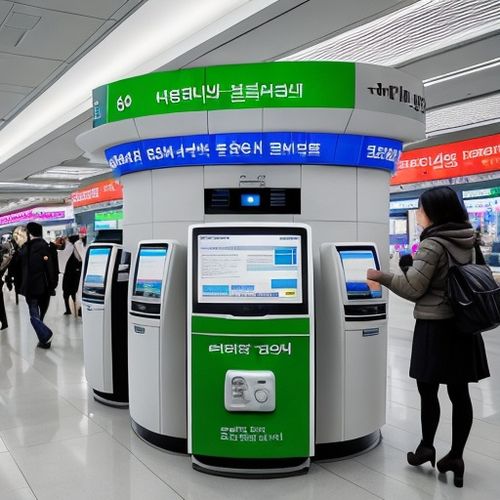
These self-service machines, commonly found in airports and major shopping districts, allow visitors to claim refunds on their purchases without the hassle of lengthy paperwork or manual verification. The system is designed to cater to the growing number of international tourists who flock to South Korea each year, eager to indulge in everything from high-end cosmetics to cutting-edge electronics.
How the System Works
The process begins when a tourist makes a purchase at a participating store. Upon meeting the minimum spending requirement, the shopper receives a tax refund receipt along with their goods. At the airport, instead of queuing up at a traditional customs counter, travelers can now head straight to one of the automated kiosks. By scanning their passport and receipts, the machine quickly processes the refund, which can be received in cash or credited back to a credit card.
This innovation has significantly reduced waiting times, particularly during peak travel seasons when airports are bustling with departing visitors. The user-friendly interface, available in multiple languages, ensures that even those unfamiliar with the technology can navigate the process with ease. For many, this hassle-free experience has become one of the highlights of their trip to South Korea.
The Technology Behind the Kiosks
Behind the sleek exterior of these machines lies sophisticated technology designed to prevent fraud while maximizing efficiency. Each kiosk is equipped with advanced scanning capabilities that cross-reference purchase details with passport information in real-time. This integration with government databases ensures that only eligible shoppers receive refunds, maintaining the integrity of the system.
Some newer models even incorporate facial recognition technology, further streamlining the verification process. This cutting-edge approach reflects South Korea's position as a global leader in technological innovation, where convenience and security go hand in hand. The continuous updates to these systems demonstrate the government's commitment to improving the tourist experience.
Impact on Tourism and Retail
The introduction of automated tax refund kiosks has had a noticeable impact on both the tourism industry and retail sector. For tourists, the simplified process removes a significant pain point, encouraging more spending during their stay. Many visitors report feeling more inclined to shop knowing they can easily reclaim their taxes before departure.
Retailers, particularly those in popular shopping districts like Myeongdong and Dongdaemun, have seen increased sales as a result. Stores prominently display tax-free shopping signs, knowing it serves as a powerful incentive for international customers. The symbiotic relationship between these technological advancements and commercial success underscores how small conveniences can have far-reaching economic benefits.
Challenges and Future Developments
While the system has been largely successful, some challenges remain. Occasional technical glitches can cause delays, and not all travelers are immediately comfortable using the machines without assistance. The government continues to work on improving reliability and expanding the availability of multilingual support to address these issues.
Looking ahead, authorities plan to integrate the kiosks with mobile applications, allowing travelers to initiate the refund process before even arriving at the airport. There's also talk of expanding the network to include more locations beyond major airports, potentially installing machines at popular tourist hotels and cruise terminals. These developments promise to make the tax refund experience even more convenient in the coming years.
The success of South Korea's automated tax refund system serves as a model for other countries seeking to enhance their tourism infrastructure. By combining technological innovation with user-centered design, the nation has created a solution that benefits both visitors and local businesses alike. As the system continues to evolve, it will undoubtedly remain a key feature of the South Korean travel experience.

By Thomas Roberts/Apr 14, 2025

By Laura Wilson/Apr 14, 2025

By Jessica Lee/Apr 14, 2025

By Benjamin Evans/Apr 14, 2025

By George Bailey/Apr 14, 2025

By Emma Thompson/Apr 14, 2025

By John Smith/Apr 14, 2025

By Michael Brown/Apr 14, 2025

By Megan Clark/Apr 14, 2025

By Jessica Lee/Apr 14, 2025

By Sarah Davis/Apr 14, 2025

By Laura Wilson/Apr 14, 2025

By Sophia Lewis/Apr 14, 2025

By Natalie Campbell/Apr 14, 2025

By Eric Ward/Apr 14, 2025
By Laura Wilson/Apr 14, 2025
By Sophia Lewis/Apr 14, 2025
By George Bailey/Apr 14, 2025
By Laura Wilson/Apr 14, 2025

By Daniel Scott/Apr 14, 2025