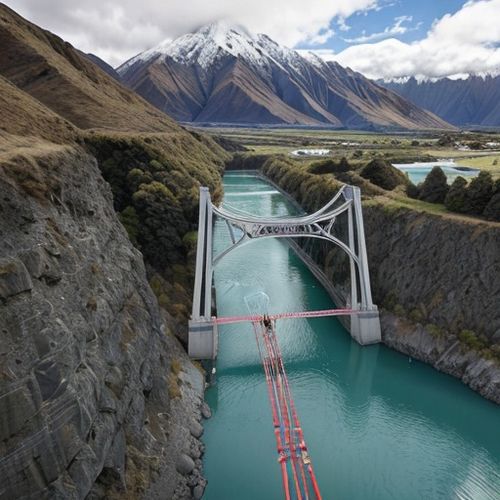
New Zealand is widely regarded as the birthplace of modern bungee jumping, a thrilling adventure sport that has captivated adrenaline seekers around the globe. The country's rugged landscapes and innovative spirit have made it a hub for bungee equipment development and testing. From the iconic Kawarau Bridge to the towering Nevis Bungee, New Zealand's bungee operators rely on cutting-edge gear to ensure safety while delivering unforgettable experiences.
The bungee equipment used in New Zealand is designed to withstand extreme forces while providing a smooth, controlled jump. At the heart of every setup is the bungee cord, typically made from natural rubber or advanced synthetic materials. These cords are meticulously tested to handle multiple elongations and retractions without losing their elasticity. The quality of these cords is paramount, as they must absorb the kinetic energy of the jumper's fall while preventing dangerous recoil.
Safety harnesses are another critical component of New Zealand's bungee setups. Unlike simple ankle ties used in some locations, many Kiwi operators prefer full-body harnesses for added security. These harnesses distribute the force of the jump across the torso and legs, reducing strain on any single part of the body. The materials used in these harnesses combine strength with flexibility, often incorporating aerospace-grade webbing and aircraft aluminum buckles.
The connection systems between the jumper and the cord represent some of the most innovative aspects of New Zealand bungee technology. Operators use redundant locking mechanisms that typically include multiple carabiners and safety loops. These systems are designed so that even if one component were to fail, others would maintain the connection. Regular inspections and replacement schedules ensure these critical connection points remain in perfect condition.
New Zealand's bungee operators have pioneered many equipment innovations that have become industry standards worldwide. The country's unique combination of strict safety regulations and a culture of adventure has driven continuous improvements in bungee technology. Many operators work closely with equipment manufacturers to develop custom solutions tailored to their specific jump sites and conditions.
Maintenance protocols for bungee equipment in New Zealand are exceptionally rigorous. Every component undergoes detailed inspection before and after each jumping day, with more thorough examinations scheduled at regular intervals. Operators keep meticulous logs tracking each piece of equipment's usage history, ensuring nothing is used beyond its recommended lifespan. This attention to detail has helped maintain New Zealand's impeccable safety record in commercial bungee jumping.
The environment plays a significant role in equipment selection and maintenance. New Zealand's variable weather conditions, from intense UV radiation to frequent rainfall, require specially treated materials that resist degradation. Many operators use cords and harnesses with UV inhibitors and waterproof coatings to combat these environmental challenges. Storage facilities are climate-controlled to prevent unnecessary wear when equipment isn't in use.
Training for staff who handle bungee equipment is equally comprehensive in New Zealand. Technicians undergo extensive certification programs covering equipment inspection, rigging techniques, and emergency procedures. This training ensures that every team member understands not just how to use the equipment properly, but also how to recognize potential issues before they become problems. Many operators conduct regular drills to maintain these high standards.
New Zealand's approach to bungee equipment has influenced safety standards globally. The country's operators frequently share their knowledge at international conferences and through industry publications. This collaborative spirit has helped elevate safety standards across the adventure tourism sector while maintaining the thrilling nature of the bungee experience.
Looking to the future, New Zealand continues to lead in bungee equipment innovation. Researchers are experimenting with smart materials that could provide real-time feedback on cord condition and performance. Some operators are testing augmented reality systems that could give jumpers more information about their equipment and the jump process. These developments promise to make bungee jumping even safer while preserving the raw excitement that makes it so popular.
The relationship between New Zealand's natural environment and its bungee equipment is particularly noteworthy. Operators must account for factors like wind patterns, temperature variations, and even the possibility of seismic activity when designing their setups. This has led to the development of dynamic systems that can adapt to changing conditions while maintaining consistent performance.
For visitors considering a bungee jump in New Zealand, the quality of the equipment provides significant peace of mind. While the leap itself remains terrifying for many, knowing that they're using some of the most thoroughly tested and reliable gear in the world helps many take that final step off the platform. The country's reputation for safety and innovation continues to draw adventure seekers from across the planet.
New Zealand's bungee equipment represents a perfect marriage of engineering excellence and respect for the forces of nature. The systems have evolved through decades of experience and continuous improvement, resulting in setups that push the boundaries of what's possible while maintaining uncompromising safety standards. This balance is what keeps New Zealand at the forefront of the global bungee industry.

By Thomas Roberts/Apr 14, 2025

By Laura Wilson/Apr 14, 2025

By Jessica Lee/Apr 14, 2025
By Benjamin Evans/Apr 14, 2025
By George Bailey/Apr 14, 2025

By Emma Thompson/Apr 14, 2025
By John Smith/Apr 14, 2025

By Michael Brown/Apr 14, 2025
By Megan Clark/Apr 14, 2025
By Jessica Lee/Apr 14, 2025
By Sarah Davis/Apr 14, 2025
By Laura Wilson/Apr 14, 2025
By Sophia Lewis/Apr 14, 2025

By Natalie Campbell/Apr 14, 2025

By Eric Ward/Apr 14, 2025
By Laura Wilson/Apr 14, 2025

By Sophia Lewis/Apr 14, 2025

By George Bailey/Apr 14, 2025

By Laura Wilson/Apr 14, 2025

By Daniel Scott/Apr 14, 2025