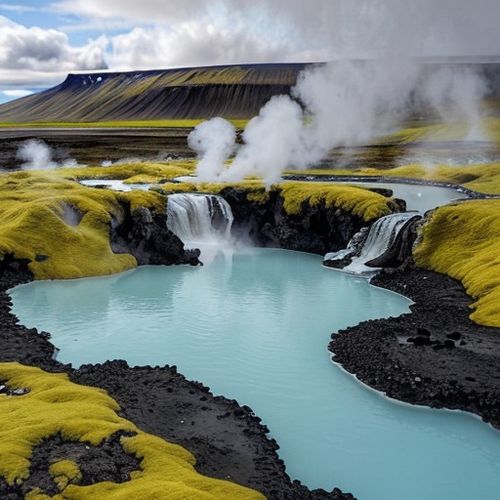
Nestled in the North Atlantic, Iceland is a land of fire and ice, where geothermal activity shapes not only the landscape but also the nation's cultural and wellness traditions. Among its most treasured natural resources are the mineral-rich hot springs that dot the island, drawing visitors from around the world seeking relaxation and rejuvenation. These geothermal waters, infused with a unique blend of silica, sulfur, and other trace elements, have been celebrated for centuries for their therapeutic properties.
The volcanic origins of Iceland play a crucial role in the composition of its thermal waters. As rainwater seeps through porous lava rock, it is heated by magma chambers deep beneath the earth's surface. This process allows the water to absorb minerals such as calcium, magnesium, and potassium, creating a potent elixir that emerges in hot springs and geysers across the island. The most famous of these, the Blue Lagoon, is renowned for its milky-blue waters, colored by the high concentration of silica that forms a gentle, skin-softening mud.
Beyond their aesthetic appeal, the minerals found in Icelandic hot springs offer numerous health benefits. Silica, for instance, is known to exfoliate and strengthen the skin, while sulfur has natural antibacterial properties that can help alleviate conditions like psoriasis and eczema. Locals have long embraced these waters for their healing effects, with public pools and hot springs serving as social hubs where people gather to unwind and connect. The tradition of communal bathing dates back to Viking times, reflecting the deep cultural significance of geothermal waters in Icelandic life.
Scientists have taken a keen interest in the unique properties of these minerals, conducting studies to explore their potential medical applications. Research suggests that the combination of silica and algae found in some Icelandic springs may promote collagen production, offering anti-aging benefits. Other studies have looked at how the warm, mineral-dense waters can improve circulation and reduce muscle tension, making them particularly valuable for athletes and those with chronic pain. While much remains to be discovered, the preliminary findings underscore why these natural spas have been revered for generations.
Environmental sustainability is a growing concern as Iceland's hot springs gain international popularity. The country has implemented strict regulations to ensure that geothermal resources are not overexploited, balancing tourism with preservation. Many spas now use renewable energy to heat their facilities, and some have developed closed-loop systems to recycle water responsibly. This commitment to ecological stewardship ensures that future generations will continue to benefit from Iceland's remarkable mineral-rich waters.
For travelers seeking an authentic Icelandic experience, a visit to one of the island's many hot springs is essential. Whether soaking in the luxurious Blue Lagoon, hiking to a remote geothermal pool, or visiting a local swimming hall, the mineral waters offer a profound connection to Iceland's natural wonders. More than just a tourist attraction, these springs represent a living tradition of wellness, community, and harmony with the environment that defines Icelandic culture.

By Thomas Roberts/Apr 14, 2025

By Laura Wilson/Apr 14, 2025

By Jessica Lee/Apr 14, 2025
By Benjamin Evans/Apr 14, 2025

By George Bailey/Apr 14, 2025
By Emma Thompson/Apr 14, 2025
By John Smith/Apr 14, 2025

By Michael Brown/Apr 14, 2025

By Megan Clark/Apr 14, 2025
By Jessica Lee/Apr 14, 2025

By Sarah Davis/Apr 14, 2025
By Laura Wilson/Apr 14, 2025
By Sophia Lewis/Apr 14, 2025

By Natalie Campbell/Apr 14, 2025

By Eric Ward/Apr 14, 2025

By Laura Wilson/Apr 14, 2025

By Sophia Lewis/Apr 14, 2025

By George Bailey/Apr 14, 2025

By Laura Wilson/Apr 14, 2025
By Daniel Scott/Apr 14, 2025